
Pause to Lead: Why the Most Powerful Move for Senior Women Leaders Begins With Stopping
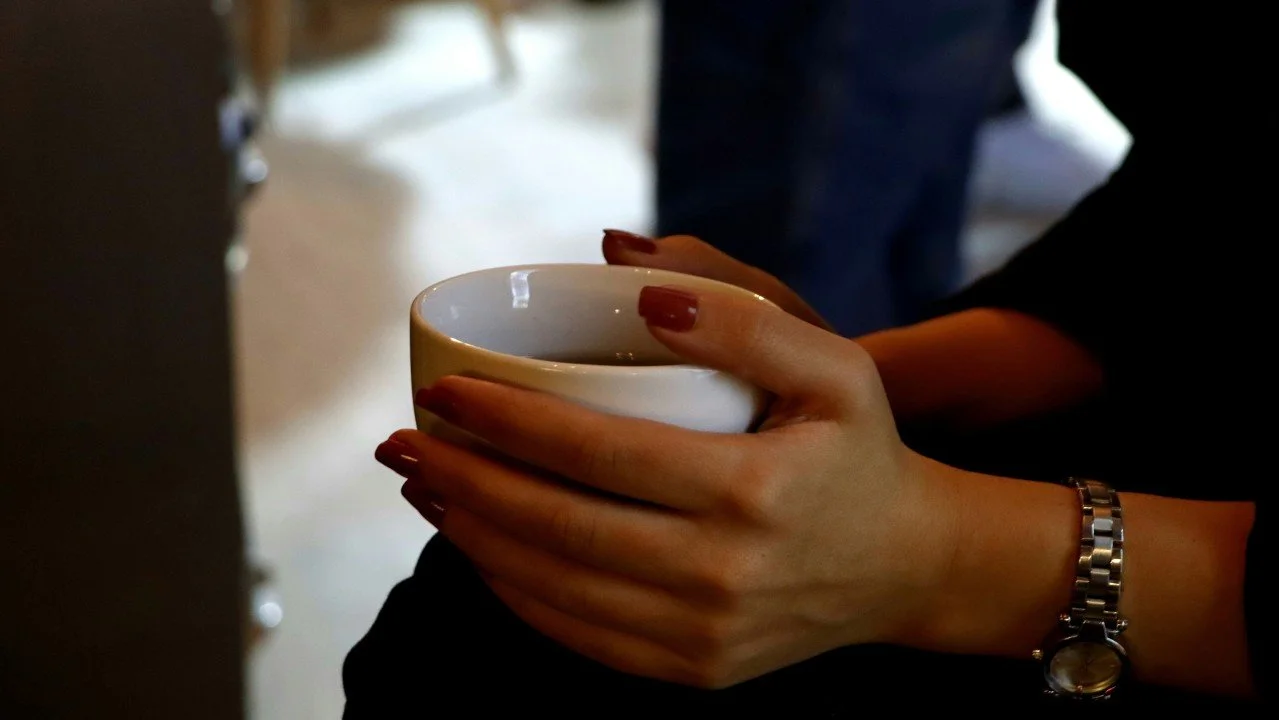
"There's no way to see what's truly possible, or hear what's calling you forward, from inside of the noise."
You're accomplished. You're capable. You're the one people count on. And somewhere underneath all of that, you may be quietly exhausted, wondering why moving faster and taking on more isn't getting you where you actually want to go.
If you're a woman in senior leadership and something inside of you is asking for a different way, this post is for you. It's about a doorway most hard-charging women walk right past, not because we don't see it, but because we've been taught that powering through is how we demonstrate we've got what it takes, and that stopping, even briefly, makes us vulnerable.
What I've seen, again and again, is that stopping briefly and on purpose is actually how we come back to leading on purpose.
The pattern most senior women know by heart
For so many of us, there's a familiar pattern that shows up when something feels off, when we're stuck, or when we sense we're not quite where we want to be. Our instinct is to do more. Move quicker, take on more, and dismiss what our instincts, our bodies, and our experience are clearly telling us so we can keep our heads down and keep presenting as strong.
For a while, that strategy works, and we may have been rewarded for it our whole careers. But for most of us, there comes a moment, sometimes a quiet one and sometimes not so quiet, when we realize this is a limited way to function. We may still be hitting the marks, but we don't feel as engaged as we used to, we're not expressing ourselves the way we want to, and we're not leaning into our leadership in a way that's authentically ours.
That's the gap, and it doesn't close by going faster, or by doing more, more, more. It closes when we stop long enough to see what's actually keeping us stuck in this place, and then decide what we want to do about it.
Stopping isn't the goal. Choosing is.
I want to be careful here, because I talk about pausing a lot, and I believe in it deeply. But the pause on its own isn't the answer, especially for hard-charging women who've heard "it's okay to slow down" before and rightly found it either impossible or insufficient. The pause is the first step, not the whole path.
The full move is this: stop long enough to see clearly, look honestly at what's keeping you frustrated or stuck, and then decide. Decide whether to stay in that place, which is a real and sometimes valid choice, or to start making different choices from this moment forward. That's where leadership lives. Not in the stopping itself, but in what you choose to do with what you find.
For achievers, even that brief stop feels antithetical to everything we've been taught. It feels like falling behind. It may even feel indulgent. But the stress, overwhelm, and dissatisfaction so many of us are carrying aren't problems to outrun. They're signals pointing us toward a decision we haven't yet let ourselves make. And the only way to get clear enough to make it is to step out of the swirl long enough to see what's there.
Key takeaways
Here's what I want you to walk away with:
Speeding up is a strategy with a shelf life. It works until it doesn't, and for most senior women there's a moment when we realize we can't perform our way out of what's actually going on underneath.
Stopping is the first step, not the whole path. The pause matters because of what it makes possible, the seeing, the deciding, and the moving forward differently.
You can't see what's possible from inside the noise. Stillness isn't a soft skill or a wellness add-on; it's how you actually access what you already know and what you actually want.
Beneath the swirl, there's information waiting for you. It's the territory of what you believe, how you're behaving, and the thoughts and judgments you're carrying about yourself and others. Some of it is gold worth mining, and some of it is keeping you stuck.
You have more choice than you think. You are not, in fact, controlled by your CEO, your company, or your calendar, even on the days when it feels like you are.
Insight without decision is just another thing on your plate. The point isn't to know yourself better in the abstract. The point is to choose, on purpose, how you want to lead and how you want to be, and live from there.
Why it feels hard
What's underneath the resistance to stopping
If your first reaction reading this was, I don't have time to stop, please notice that. That reaction is often the thing itself.
Most senior women leaders I work with have been operating at high speed for so long that slowing down feels genuinely unsafe, and underneath that feeling is usually a belief or two worth examining: if I stop, something will fall apart, or if I stop, I'll have to feel something I've been outrunning, or if I stop, I'll be exposed.
These are real concerns, and I don't dismiss them. But I'll ask you the same question I ask my clients: is the way you're currently looking at this actually helping you get where you want to be?
Because here's what I've watched happen, again and again. When a senior woman finally allows herself to stop, not vacation stop or weekend stop, but the kind of stop where she looks honestly at what's there, what she finds is rarely what she feared. What she finds is herself, often a self she's been too busy to visit in a long time. And from that clearer vantage point, she starts making different choices, not in a dramatic upheaval, but in small, deliberate ways that compound into a different way of leading and living.
Inside the work itself
Stopping isn't passive or a sign of weakness, and it's not staring out a window hoping for clarity to descend. It's where you finally consider the questions you've been racing past, and where you start sorting through what you find:
What am I believing right now, about myself, about my work, about what's possible?
How am I behaving, and is it consistent with who I want to be?
What thoughts and judgments am I carrying, about myself or others, that may not be serving me, my team, or my leadership?
Where am I disconnected? From myself, from the people who matter most, or from values I've drifted away from without even noticing?
And once I see all of this clearly, what do I want to do about it?
That last question is the one that turns awareness into momentum. This is the work that's hard to do alone inside the swirl, which is why dedicated time and a thought partner matter so much. Having someone walk alongside you is what turns insight into decisions, and decisions into conscious choices and changes.
The moment the world cracks open
Here's the part I love most. There's a moment that tends to arrive when a senior woman has been doing this work consistently, when she realizes she has options, that she's at choice, and that she's not, in fact, controlled by her CEO, her company, or her stress.
That moment changes everything, because the capacity to be the commanding, authentic, powerful leader she wants to be has been right there all along. She just couldn't see it from inside the chaos, and now that she can see it, she gets to choose it.
This is when authentic female leadership stops being aspirational and starts being lived. Not louder, not harder, just more her, on purpose.
An invitation
If something here is landing for you, if you're recognizing yourself in the swirl, in the exhaustion, or in the gap between how strong you appear and how you actually feel, I want to invite you to do one small thing this week, not a giant leap, but a small one. Because the meaningful shifts almost always start small, with one honest moment of looking and one small decision to do something differently.
Here's the small thing: book yourself thirty minutes, and put it on your calendar like it matters, because it does. No phone. No agenda. Just you and two questions: what have I been racing past or avoiding, and what do I want to do about it?
See what shows up. Notice what you find. And then, when you're ready, decide. Decide whether the way you're leading and living right now is the way you want to keep going, or whether something is asking you to choose differently from here.
That's the real work. Not the stopping itself, but what you do with what you find.
And if you'd like a thought partner for that work, someone to help you make dedicated time to look honestly at what's keeping you stuck and to start making choices about what you'll do differently from this moment forward, that's the work I do, and I'd be honored to walk alongside you.
You don't have to keep moving faster to lead better. Sometimes the most powerful thing a senior woman leader can do is stop, look at what's there, and choose, on purpose, what comes next.
FAQ
-
Not necessarily. While rest is important, the "stop" discussed here is a strategic pause. It’s about stepping out of the "noise" and "swirl" of daily demands to look honestly at your beliefs and behaviors so you can make conscious leadership choices.
-
Many high-achieving women have been rewarded for "powering through" their entire careers. Stopping can trigger fears that things will fall apart, or that we will appear vulnerable or "exposed" if we aren't constantly in motion.
-
Insight is understanding why you feel stuck; decision is choosing what to do about it. Without a decision, insight is just another item on your to-do list. The goal of pausing is to turn awareness into momentum.
-
Start with a "micro-stop." Block 30 minutes on your calendar with no phone and no agenda. Ask yourself: What have I been racing past, and what do I want to do about it?
